Why Your Toilet Keeps Running
A running toilet comes down to one of three faults: the inlet valve will not shut off, the seal on the flush valve is past its best, or the water sits high enough to spill through the overflow. None of these fixes itself, and the wasted water lands on your Unitywater bill.
If we're late, $100 comes off your bill

- Licensed and InsuredEvery job done by a licensed plumber. QBCC No: 15024607
- Fixed Quote FirstFlat-rate pricing, agreed before any work starts
- Lifetime Labour WarrantyBacked by our Fix-It-or-It's-Free guarantee (T&Cs apply)
- $0 Call-Out FeesNo extra charge for nights, weekends or public holidays
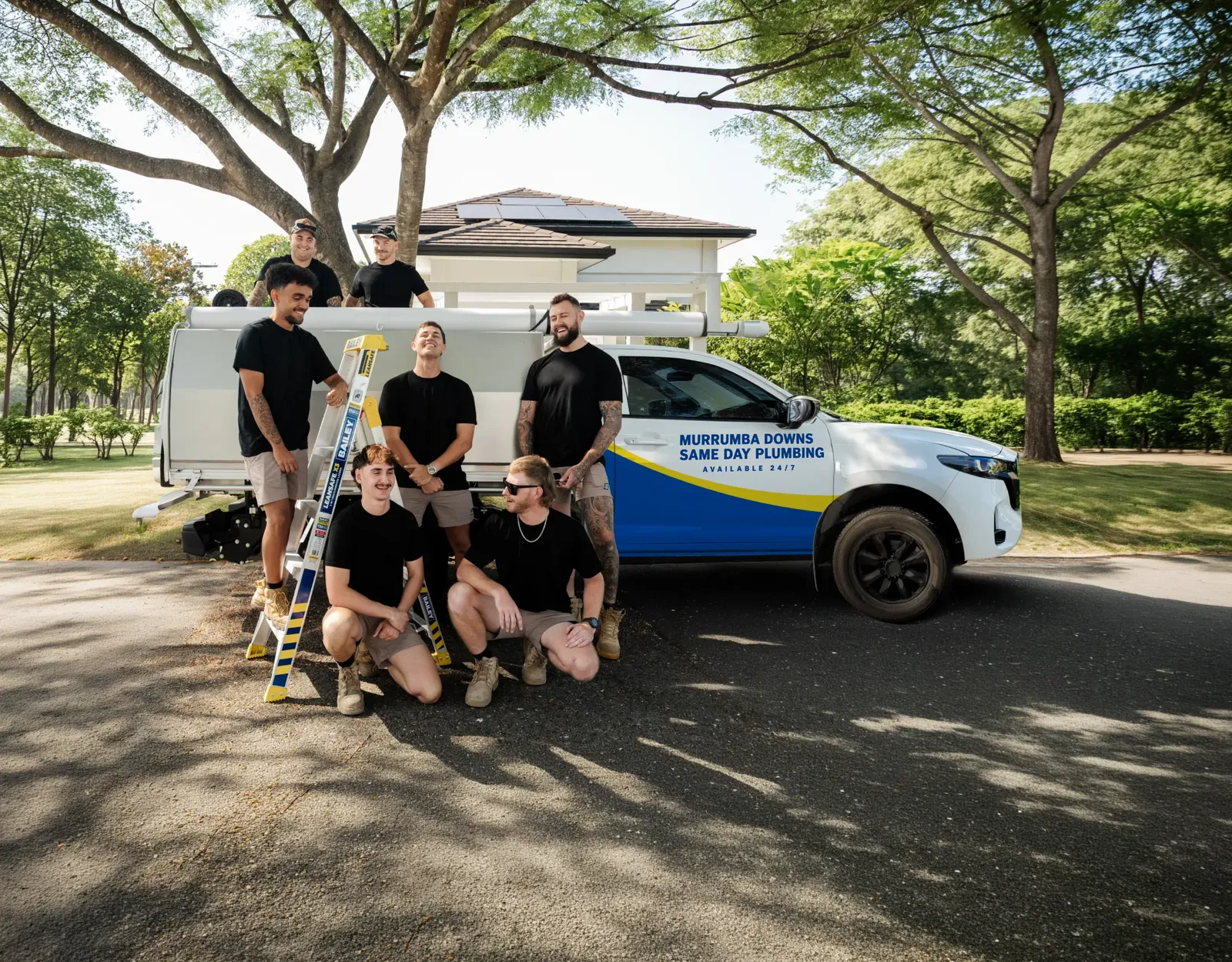
When a toilet keeps running, our Murrumba Downs plumbers are the ones who sort it, because Queensland law hands most cistern work to a licensed plumber. Houses here range from 1960s builds to fresh releases, and census figures put the suburb at 3,918 dwellings. Cisterns of several generations sit side by side as a result, from tired single-flush units to recent dual flush suites.
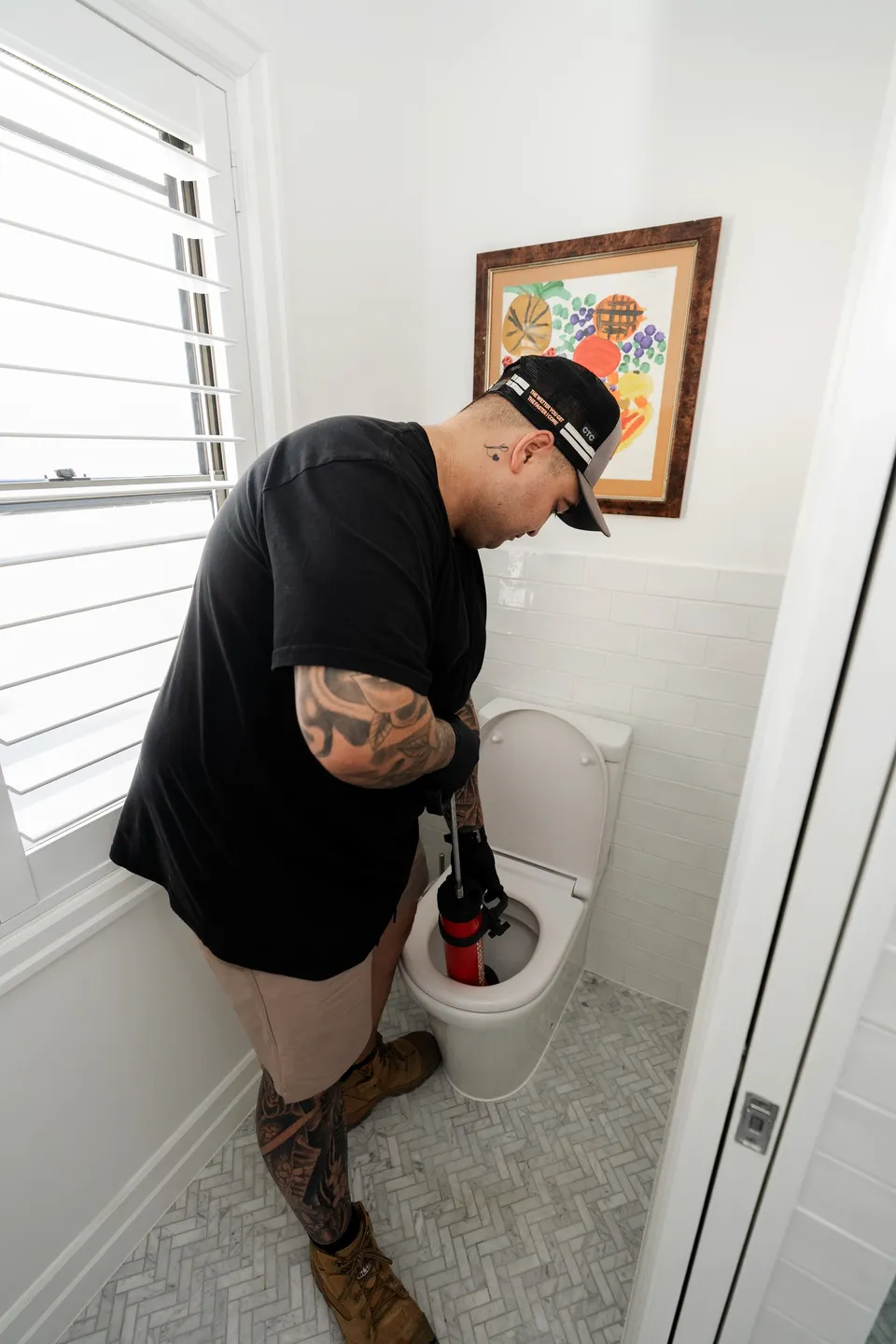
Inlet Valve, Flush Valve Seal and Overflow Explained
Three parts sit behind a running toilet: the inlet valve, the flush valve seal, and the overflow.
The inlet valve
refills your cistern after a flush and stops when the float hits its mark. When the valve is worn or gummed up, the cistern fills slowly or never stops, and a hiss that carries on after refilling gives the game away.
The flush valve
, or outlet valve, keeps the water in the cistern between flushes. A tired seal lets water creep down to the pan, the inlet valve answers by topping up, and the toilet runs by itself.
The overflow
is the cistern's spillway, sending excess water out instead of onto the floor. Water running from it, an overflow pipe dripping outside included, means the level is set too high or the inlet valve has stopped closing.
Listen before lifting the lid. A cistern that refills by itself every few minutes with nothing flushed, or water trickling down the rear wall of the pan, blames the seal. A hiss that never quits is the inlet valve.

What Colour in the Bowl Tells You
Run the check this way: spoon some food colouring into your cistern, then wait without flushing.
Colour reaching the bowl means the cistern is draining into the pan between flushes, and the flush valve rubber is the likely culprit. Flush afterwards to rinse the dye away, because ceramic bowls don't take the stain.
No colour in the bowl? The flush valve holds firm, so look instead at the inlet valve and how high the water sits.
Short on food colouring? Stick a dry strip of toilet paper high on the pan's back wall, above the waterline. The paper stays dry unless water is running down behind it, and a wet strip means a leak.

Water Runs but the Cistern Stays Low
A cistern that won't fill usually comes down to an inlet valve worn or gummed up, a float adjusted too low, or a stop tap that was never opened all the way.
Check the stop tap first, because one opened part way starves the whole cistern. A float adjusted too low tells the inlet valve to quit before the water reaches the mark. A worn valve may trickle forever without ever filling.
Running water with a level that never climbs is a different fault. When the flush valve rubber lets water out as fast as it arrives, the cistern cannot fill, and the toilet runs without ever being ready.
The QBCC List of Unregulated Cistern Work
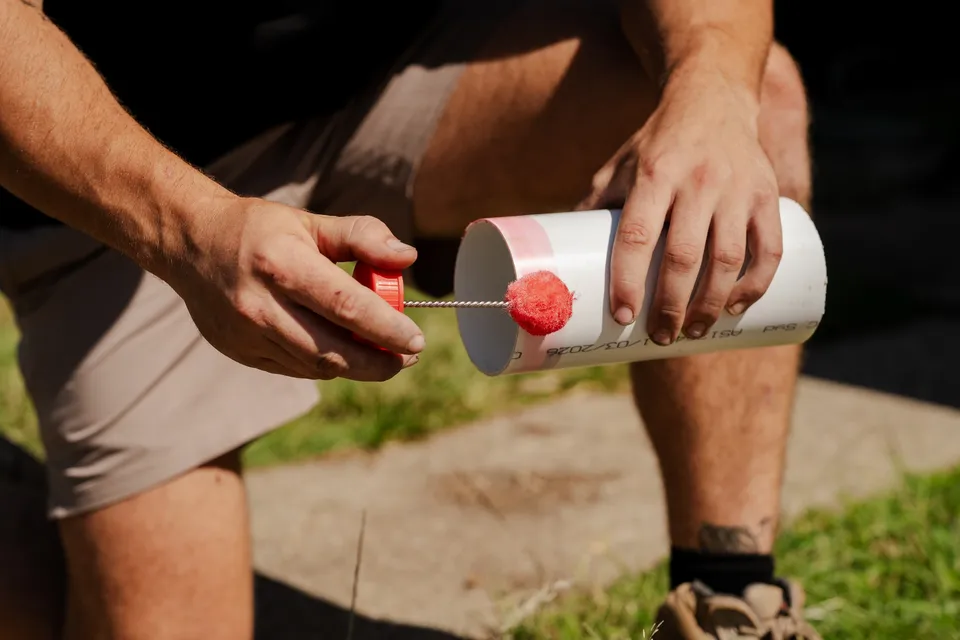
The QBCC lets anyone with the knowledge and skill for the job repair or replace three cistern parts, and the work still has to meet the standards the legislation and codes set:
- the washer from a drop valve
- the washer from a float valve
- the rubber suction cup
No licence, approval or report is needed for unregulated work. Any other cistern repair counts as minor work, which only a QBCC licensee may do; no council permit and no Form 4 apply.
Renting? Queensland tenancy law makes the owner or manager responsible for repairs, and the tenant should report faults promptly.
The Act's emergency list names blocked or broken toilets, not a cistern that refills on its own, so this repair is routine. The owner or manager should have it seen to within a reasonable time of being told.

Who Pays for Water a Cistern Wastes
No, Unitywater's concealed leak adjustment leaves cisterns out, along with leaking taps, hot water systems and other water appliances.
Leaks on the property are the owner's responsibility, and so are the losses they cause. A cistern running all night sits in plain view rather than out of sight, so the inflated bill stays with the owner.
The waste has a downstream end too. Everything that runs through the pan ends up at the Murrumba Downs Wastewater Treatment Plant, which Unitywater operates, so a cistern that never quits adds load for no benefit.

When to Call a Murrumba Downs Plumber
A toilet keeps running until someone replaces the part at fault, so ring us when the dye shows colour in the bowl or the cistern won't fill. A licensed plumber diagnoses the cause, quotes the fix and does the work the QBCC reserves for a licence.
For the wider repair and replacement jobs a running cistern often leads to, our toilet repairs page has the detail.
Toilet Questions From Murrumba Downs
Call (07) 3524 7163Why does my toilet keep running after flushing?
Three faults cover nearly every case: an inlet valve that never closes, a flush valve seal past its best, or water spilling through the overflow. A constant hiss belongs to the inlet valve, while a cistern that quietly refills itself points to the seal. Each wasted litre still shows on your Unitywater bill.
Will food colouring stain my toilet bowl?
No, the colouring won't mark a ceramic bowl, and one flush rinses it away. The dye check is the standard way to test whether your cistern is draining into the pan, and it costs nothing to run.
Which cistern parts can I legally replace myself in Queensland?
Three parts sit on the QBCC's unregulated list: the washer from a drop valve, the washer from a float valve, and the rubber suction cup. You need the knowledge and skill for the job, and the finished work still has to comply with the standards. Everything else inside a cistern belongs to a licensed plumber.
What does it cost to fix a running toilet in Murrumba Downs?
Two things drive the price: which part has failed, and how easy the cistern and stop tap are to reach. A seal swap differs from an inlet valve replacement, and a cistern boxed tight against a wall takes longer to open. We give you a fixed quote before any work starts, so the price is settled before we begin.

Ring Us About the Running CisternWe'll call you back.
Book on (07) 3524 7163 for plumbing anywhere in Murrumba Downs. We're available 24/7, there's no extra charge for nights, weekends or public holidays, and every job comes with $0 call-out fees.
To claim your $0 call-out fee, call (07) 3524 7163 today.